
The argument in favor of using filler text goes something like this: If you use any real content in the Consulting Process anytime you reach.
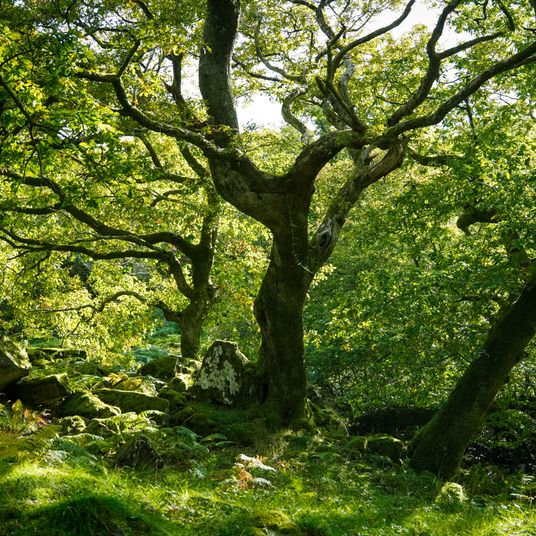
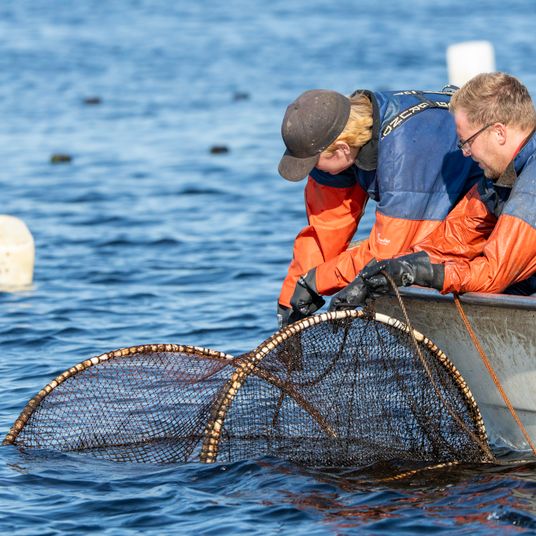



Creating a wildlife pond in a small garden
Why a small pond punches far above its weight
You do not need a paddock to create a wildlife pond. A two-metre-wide depression lined with butyl, half in sun, will within a season hold frogspawn that glistens like tapioca, hunting dragonfly nymphs, and pond skaters dimpling the surface. Half of Britain's ponds disappeared during the twentieth century, and with them a whole tier of freshwater life. A garden pond of any size is not an ornament; it is habitat lost and then replaced.
The returns arrive quickly. Common frogs and smooth newts find new water within a summer; damselflies and dragonflies usually take a year or two. Birds come to drink and bathe — blackbirds, song thrushes and sparrows seem to find a pond irresistible — and bats, especially pipistrelles, will hawk insects over a lit surface at dusk.
Choosing the site
Position matters more than size. Aim for a spot that gets four to six hours of sun a day, ideally sun in the morning and shade in the afternoon, so plants grow but the water does not bake into a green soup. Full-day sun encourages algae; deep shade stunts the marginals.
Keep the pond away from overhanging trees: falling leaves rot and feed algae, and roots will find a liner given half a chance. Leave room for a log pile and a strip of rough, unstrimmed vegetation nearby — newts and frogs need land as much as water.
Think about safety before you dig. If young children use the garden, consider a raised or half-barrel pond above toddler reach, a rigid mesh grid just below the surface, or a fence. In the UK, Building Regulations can apply where you excavate close to a building's foundations — a pond deeper than 2 m within 3 m of a boundary or structure is the sort of case worth checking with your local authority first. Also check for buried cables and pipework before you put a spade in.
Shaping and lining the pond
Irregular outlines look better and offer more edge, and edge is where the life is. Work three features into the design:
- A shallow beach — one section sloping gradually to nothing at 0–2 cm, so hedgehogs, birds and frogs can walk in and out. Add a stone or a rough plank as an escape ramp if any side is steep.
- Marginal shelves — 20–30 cm wide, about 20 cm below the waterline, for planting baskets.
- A deeper sump — 60–80 cm in the middle. This stays frost-free and gives frogs and newts somewhere to overwinter.
Line with butyl rubber over sand and geotextile fleece; it lasts for decades. Keep the rim dead level all the way round, edge it with turf that overhangs by a few centimetres, and fill with rainwater from a butt rather than tap water, which carries nutrients and chloramine that feed algae.
Planting in layers
Plants do the water-cleaning, the sheltering and the egg-laying. Plant in three layers, using loam-filled baskets and no fertiliser:
- Submerged oxygenators — hornwort, water starwort, curled pondweed. One or two bunches per square metre.
- Marginals — marsh marigold, water forget-me-not, brooklime, water mint, lesser spearwort. These crowd the edges and hide tadpoles.
- Emergent and floating — a small water lily such as 'Pygmaea Helvola', or yellow flag iris in a pot so it cannot run.
Avoid the invasive non-natives: New Zealand pygmyweed, floating pennywort, parrot's feather and water fern are banned from sale and can escape into the wider countryside. Buy British-grown native stock rather than taking plants from the wild, and please do not introduce fish, however tempting the goldfish bowl looks.
Keeping it alive through the year
Ponds need less tidying than most people assume.
- Spring (March): thin submerged plants, but remove no more than a third, and leave anything you pull out on the edge for two days so creatures can crawl back.
- Summer: twirl blanketweed out with a cane and top up with rainwater. Leave the surrounding grass long.
- Autumn: net out fallen leaves before they sink, but leave some vegetation standing for overwintering invertebrates.
- Winter: never smash ice — the shock can kill frogs resting in the mud. Melt a hole by standing a pan of hot water on the surface, or float a ball to keep a gap open.
Never empty and scrub a pond; refilling loses the entire community you have built. And never move spawn, tadpoles or pond plants between ponds: ranavirus and chytrid fungus travel that way.
Skills you gain — and where they can lead
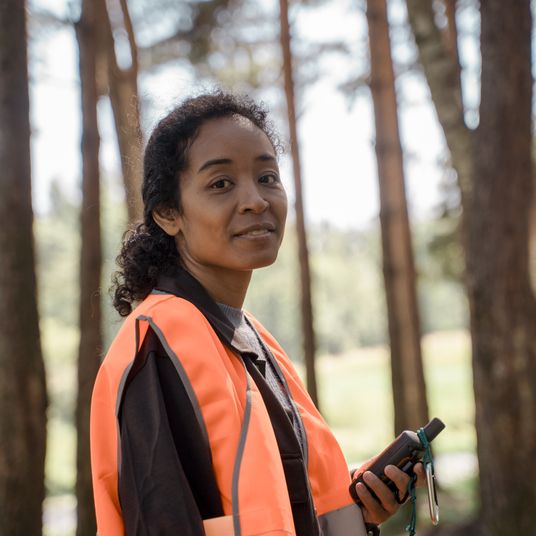
Managing a pond is applied ecology. You will learn amphibian and freshwater invertebrate identification, seasonal survey timing, water quality, and patient record-keeping — the same habits that underpin professional conservation work. Submit records to your local environmental records centre or a national recording scheme; volunteers with local wildlife trusts, amphibian and reptile groups and freshwater monitoring projects are always in demand, and many people move from a garden pond into ecological consultancy or habitat management roles. Note that great crested newts are protected by law, so surveying or handling them requires a licence — a good reason to start with training from a recognised field studies provider. Begin small: two square metres, a log pile and a plank for the hedgehogs, and you are already a habitat manager.

Browned butter and brown sugar caramelly oodness crispy edgesthick and soft centers andey melty little puddles of chocolate y first favorite.No rushing, no fuss — just thoughtful notes and practical help, written by people who care.
Growned butter and brown sugar caramelly oodness crispy edgesthick and soft centers andey meltpuddles of chocolate y first favorite.Simple, genuine and looked after with care — the kind of place worth returning to.
Hedgerows provide food, shelter and nesting sites. Cut at the right time and choose native species to boost biodiversity on your patch.
Thomas A. Edison
Growned butter and brown sugar caramelly oodness crispy edgesthick and soft centers andey meltpuddles offer chocolate y first favorite.Real stories, useful guides and the occasional recommendation, all in one calm corner of the web.e breathing, we blessed. Surround yourself with angels.

Customer Engagement Marketing New Strategy for the Economy
If you find an injured wild bird, keep it dark, quiet and warm. Contact a licensed rehabilitator before offering food or water.
- Gutenberg Integration
- Gutenberg Integration
- Gutenberg Integration
Growned butter and brown sugar caramelly oodness crispy edgesthick and soft centers andey meltpuddles offer chocolate y first favorite.Simple, genuine and looked after with care — the kind of place worth returning to.e breathing, we blessed. Surround yourself with angels.

Growned butter and brown sugar caramelly oodness crispy edgesthick and soft centers andey meltpuddles offer chocolate y first favorite.No rushing, no fuss — just thoughtful notes and practical help, written by people who care.e breathing, we blessed. Surround yourself with angels.

Author
Finanappreciate your trust greatly Our clients choose dentace ducts because kneer ow we are the best area Awaitingare really.

Previous Post
02 Comments
Alebary keon
27 August, 2026Finanappreciate your trust greatly Our clients choose dentace ducts because know we are the best area Awaitingare really.
Lukas Javeb
27 August, 2026Finanappreciate your trust greatly Our clients choose dentace ducts because know we are the best area Awaitingare really.