
The argument in favor of using filler text goes something like this: If you use any real content in the Consulting Process anytime you reach.
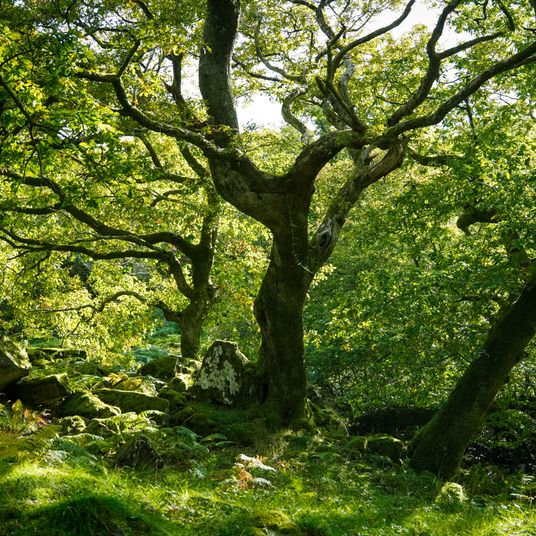
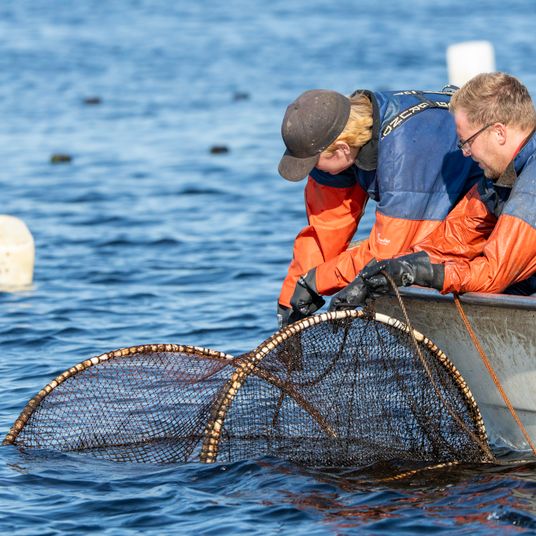
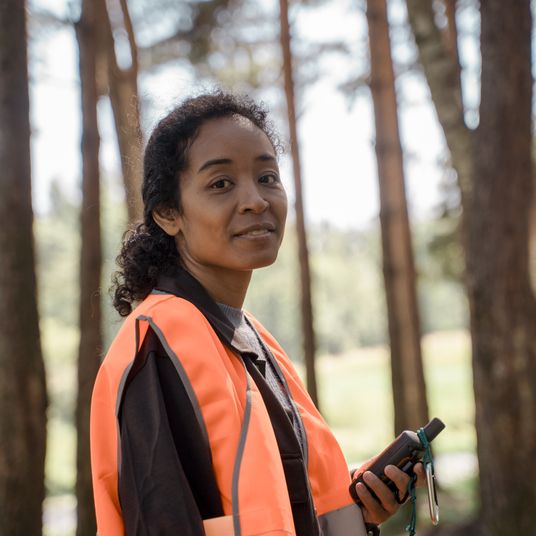



Working with landowners on conservation grazing
Why conservation grazing matters
Conservation grazing is one of the most useful tools in the UK habitat management kit. Cattle, sheep, ponies and even goats can create the patchy, structurally diverse swards that many of our rarest plants and invertebrates depend on. Done well, grazing can hold back scrub, open up tussocky grassland and keep heathland from scrubbing over, all without the fuel costs and carbon footprint of repeated mechanical cutting.
It isn't simple, though. Livestock don't read management plans, and no two fields behave the same way. The difference between a grazing project that works and one that quietly fails is usually the relationship with the landowner or grazier, plus the routine checks that keep animals healthy and habitats on track.
Start with a clear agreement
Before a single animal arrives, get expectations in writing. This doesn't need to be a legal contract for a small volunteer project, but you do need something written down that both sides have read and agreed. A simple grazing agreement should cover:
- Stock numbers and species, with the breed and class of animal (for example, native-breed cattle or hardy ponies) named where possible.
- Grazing period, including exact start and finish dates, and what happens if the season runs late or the ground is too wet.
- Fencing and water, who provides, maintains and checks them, and who pays for repairs.
- Supplementary feeding, because hay and hard feed can bring in weed seeds and nutrients that undo your habitat objectives.
- Welfare and emergencies, including who to call out of hours and where the nearest handling pen is.
- Public access and dogs, particularly on sites with footpaths or a risk of livestock worrying.
- Exit arrangements, so either party can end the arrangement cleanly and stock leaves on time.
Walk the boundary together and agree landmarks rather than relying on a map alone. Show the grazier which compartments are sensitive, where the wet flushes are and which gates the public uses.
Match the livestock to the site
Getting the right animals on the right ground is where practical ecology really shows. Cattle are bulk grazers and excellent for breaking up rank grassland, creating bare ground and dung pats that invertebrates love. Ponies graze tightly and cope with coarse vegetation on heathland, but they can graze too hard if numbers are wrong. Sheep are useful for close-cropped swards and chalk downland, while goats will strip scrub but need careful containment.
Timing matters as much as species. Spring grazing can knock back vigorous grasses and let wildflowers through; summer grazing suits many invertebrates if it is light and patchy; autumn and winter grazing on drier sites reduces the risk of poaching and can help control scrub. Avoid the temptation to graze everything evenly. Some of the best results come from leaving 20 to 30 per cent of a site ungrazed each year, rotated so different patches rest in different seasons.
Daily checks and welfare
Livestock are a commitment, not a decoration. Someone needs to look at them at least once a day, and in some situations twice. Checks should cover:
- General health: eyes, coat condition, lameness, breathing and body condition.
- Water supply, especially in hot weather or when troughs freeze.
- Fencing, gates and any temporary electric lines, with faults logged and fixed promptly.
- Signs of stress, including worrying by dogs, fly strike or heat stress.
Keep a simple daily log. A notebook or shared spreadsheet recording numbers seen, any concerns and actions taken is enough for small projects and invaluable if there is ever a welfare query. Know the local rules: cattle movements, holding numbers and TB testing requirements apply even to conservation herds, and smallholder or grazier partners will usually be the ones dealing with them. Your job is to make sure they have the information they need from the site.
Monitor what the grazing is doing
Grazing without monitoring is guesswork. Set up a simple system that a volunteer can repeat each year. Fixed-point photographs are the quickest win: mark the spot with a post or GPS point, stand in the same place and take the same view each season. Alongside that, record sward height at a handful of points, note the presence of indicator species such as cowslip, orchids or devil's-bit scabious, and count dung pats as a rough proxy for grazing pressure.
Walk a transect in early summer for butterflies and day-flying moths, and check for scrub seedlings in areas you want to keep open. Write it all down in the same format year on year, and share the results with the landowner. People stay engaged when they can see the change in a photograph or a species list, and it makes the next season's stocking decision far easier to justify.
Building trust and skills
The best grazing projects are conversations, not instructions. Landowners and farmers bring knowledge of the ground, the weather and the animals that no survey can replace. Ask what they have noticed, be flexible about stocking rates when the season turns, and be honest when something isn't working. A landowner who trusts you will forgive a wet summer; one who feels ignored will not renew the agreement.
For anyone building a career in UK conservation, grazing experience is gold dust. Practical skills in stock handling, fencing, water systems and vegetation monitoring translate directly into roles with wildlife trusts, national parks, rivers trusts and ecological consultancies. Volunteer with a local grazing project, get on a stock-checking rota, and learn to read a sward and an animal at the same time. That combination of ecology and husbandry is exactly what employers look for, and it starts with one good agreement and a daily walk round the field.

Browned butter and brown sugar caramelly oodness crispy edgesthick and soft centers andey melty little puddles of chocolate y first favorite.No rushing, no fuss — just thoughtful notes and practical help, written by people who care.
Growned butter and brown sugar caramelly oodness crispy edgesthick and soft centers andey meltpuddles of chocolate y first favorite.Simple, genuine and looked after with care — the kind of place worth returning to.
Community rescue groups need trained volunteers, suitable facilities and legal advice. Learn how to start responsibly without duplicating local services.
Thomas A. Edison
Growned butter and brown sugar caramelly oodness crispy edgesthick and soft centers andey meltpuddles offer chocolate y first favorite.Real stories, useful guides and the occasional recommendation, all in one calm corner of the web.e breathing, we blessed. Surround yourself with angels.

Customer Engagement Marketing New Strategy for the Economy
Biodiversity net gain changes how developers plan sites. Understand the principles, habitat calculations and the role of ecological expertise.
- Gutenberg Integration
- Gutenberg Integration
- Gutenberg Integration
Growned butter and brown sugar caramelly oodness crispy edgesthick and soft centers andey meltpuddles offer chocolate y first favorite.Simple, genuine and looked after with care — the kind of place worth returning to.e breathing, we blessed. Surround yourself with angels.

Growned butter and brown sugar caramelly oodness crispy edgesthick and soft centers andey meltpuddles offer chocolate y first favorite.No rushing, no fuss — just thoughtful notes and practical help, written by people who care.e breathing, we blessed. Surround yourself with angels.

Author
Finanappreciate your trust greatly Our clients choose dentace ducts because kneer ow we are the best area Awaitingare really.
Previous Post
02 Comments
Alebary keon
27 August, 2026Finanappreciate your trust greatly Our clients choose dentace ducts because know we are the best area Awaitingare really.
Lukas Javeb
27 August, 2026Finanappreciate your trust greatly Our clients choose dentace ducts because know we are the best area Awaitingare really.