
The argument in favor of using filler text goes something like this: If you use any real content in the Consulting Process anytime you reach.


Ethical photography of British wildlife in practice
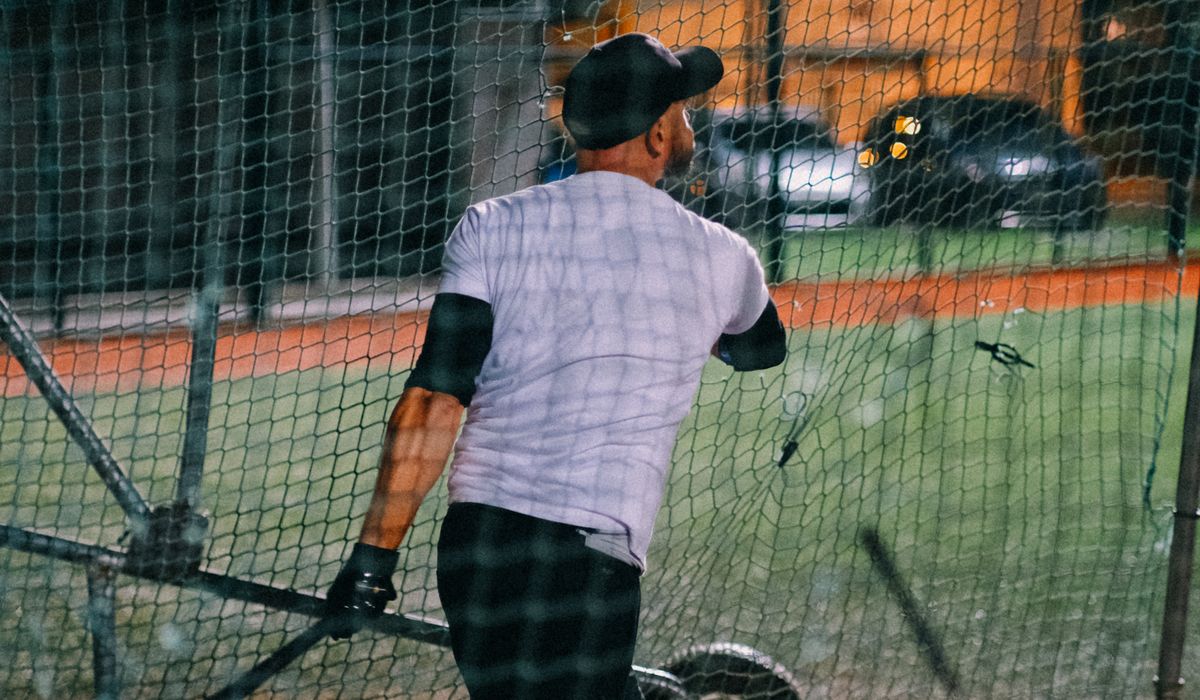
Fieldcraft first: why welfare beats the shot
The best British wildlife images are rarely the ones taken in a hurry. They come from quiet hours in the field, a decent understanding of an animal's routine, and a willingness to go home with nothing. Ethical photography is not a list of restrictions bolted onto a hobby; it is the craft itself. If your presence changes what an animal does — where it feeds, when it roosts, how it reacts to people — then what you have on the card is a record of disturbance rather than wild behaviour.
Learn the species before you learn the shot. Know that otters spraint on prominent rocks to mark territory, that little owls often return to the same fence post each morning, that adders bask on south-facing slopes once the spring sun has real strength in it. That knowledge lets you arrive early, settle in, and let the subject come to you rather than chasing it across a field.
Distance, lenses and the discipline of staying put
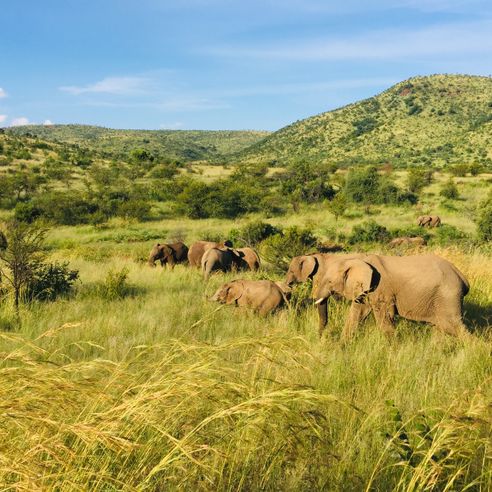
Nobody needs a long lens to photograph a robin on a spade handle. For genuinely wild subjects, reach matters. A useful rule: if the animal lifts its head, stops feeding or changes direction because of you, you are too close. With most British mammals — badgers, deer, foxes, mountain hares — that can mean 20 to 50 metres or more, depending on cover, wind and how habituated the local population already is.
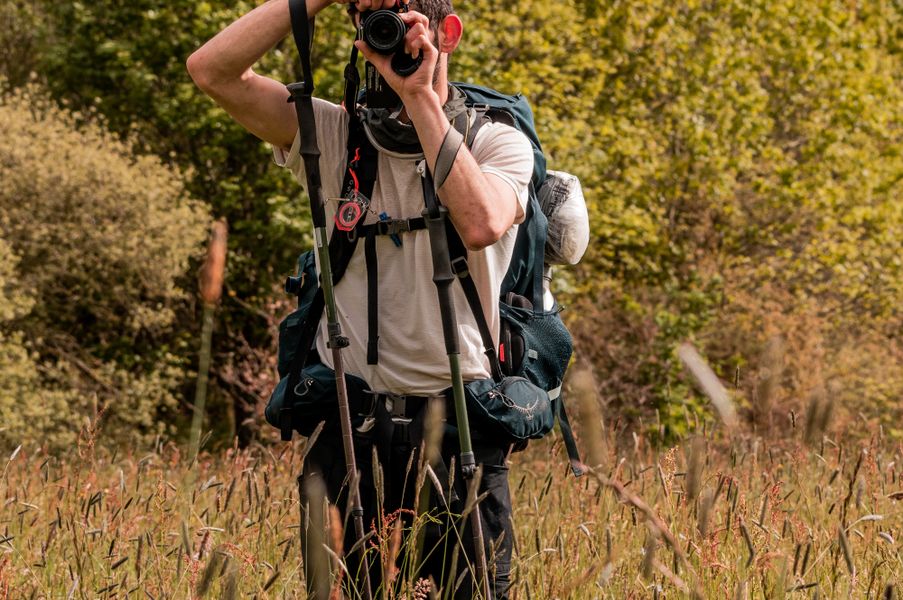
Work from a hide where you can. A bag hide, scrim netting or even a parked car makes an excellent mobile blind, and a beanbag at low level keeps your profile small. Approach along hedgerows and walls, never skyline yourself, keep the wind in your face and the sun behind you, and pause often. Walk away if the animal is already watching you.
- Timing: arrive before first light and leave after last light, when disturbance is least and behaviour is most natural.
- Access: stick to rights of way and follow the Countryside Code or the Scottish Outdoor Access Code.
- Drones: keep them away from wildlife. They can amount to disturbance under the law, and most reserves ban them outright.
- Dogs: leave them at home near nesting, feeding or resting sites.
Baiting: the shortcut that costs the animal
Baiting takes many forms: mealworms for kingfishers, dead chicks for red kites, captive-bred mice for owls, fish scraps for otters, sugar solution for butterflies, a road casualty for foxes. Some of it is legal. Very little of it is ethical.
The main harm is habituation. An animal that learns people mean food loses the caution that keeps it alive. Barn owls drawn to roadsides by bait get hit by cars. Red kites conditioned to snatch food from hands create conflict, injury and complaints from landowners. Otters encouraged into daytime performances become vulnerable to disturbance and disease.
There is a photographic argument too. Baited images tend to look alike — owl on post, kite in flight, kingfisher on stick — and they say little about how the animal actually lives. A fox working a hedgerow on its own terms is far more rewarding than one sitting on a picnic table.
Recorded call playback is baiting's close cousin. It can pull birds off nests and away from feeding young, and at a Schedule 1 nest it may amount to an offence. Use it sparingly if at all, and never in the breeding season.
Nesting season, dens and the law
In the UK, all wild birds are protected while they are nesting. For species listed on Schedule 1 of the Wildlife and Countryside Act 1981 — barn owl, kingfisher, red kite, little ringed plover, Dartford warbler and many others — it is an offence to intentionally or recklessly disturb them at or near a nest containing eggs or young, or to disturb their dependent young. Photographing these birds at the nest normally requires a licence from the relevant statutory body, and "I didn't realise" is not a defence.
Many songbirds nest from March to August, some raising two or three broods. Barn owls can be on eggs by February. Deer, brown hares and other quarry species have closed seasons, and badger setts, bat roosts and otter holts all carry their own legal protection. Check the rules for the nation you are photographing in, because they differ.
If you find a nest, leave it be. Note the location, keep it to yourself — egg collectors and careless photographers both follow publicity — and stay away until the young have fledged. One visit at the wrong moment can cause abandonment or lead a predator straight to the chicks.
Reading the signs, and knowing when to leave
Learn the alarm signals. A red squirrel that freezes on a trunk has clocked you. A lapwing calling and circling overhead is defending a nest. A roe doe that barks and stamps is telling her fawns to hide. If you see any of it, back off, give a wide berth, or call it a day. That is not failure; it is the skill.
A few other habits worth building. Never use flash or a torch on nocturnal mammals, and keep sessions at setts and dens short. Leave gates, stones and deadwood as you found them, because turning a log for a reptile or beetle destroys the microclimate underneath. Early spring is the classic trap: queen bumblebees and basking adders are tempting, but the animals have little energy to spare after winter.
Photographs that stand up on their own
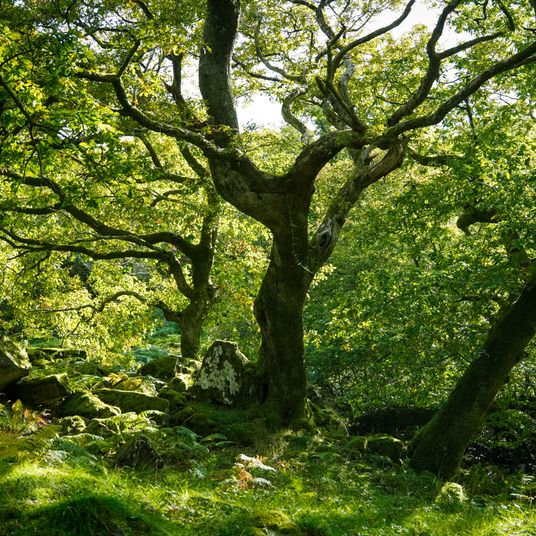
An honest image carries information. It shows an animal in its habitat, behaving as it does when nobody is watching, and it usually tells you something about the season, the weather or the species' place in the landscape. Work that is made patiently, at a respectful distance, over many visits, tends to look different from the rest: less contrived, more alive.
Keep notes. Record dates, conditions, what the animal was doing and how it responded to you. Over a few years those notes become a small natural history of your patch, and they will improve your photography faster than any new lens. They also give you the confidence to walk away from a shot — which, in the end, is what separates a wildlife photographer from someone who merely owns a long lens.

Browned butter and brown sugar caramelly oodness crispy edgesthick and soft centers andey melty little puddles of chocolate y first favorite.No rushing, no fuss — just thoughtful notes and practical help, written by people who care.
Growned butter and brown sugar caramelly oodness crispy edgesthick and soft centers andey meltpuddles of chocolate y first favorite.Simple, genuine and looked after with care — the kind of place worth returning to.
Conservation grazing can manage habitats effectively, but success depends on clear agreements, livestock checks and monitoring with landowners.
Thomas A. Edison
Growned butter and brown sugar caramelly oodness crispy edgesthick and soft centers andey meltpuddles offer chocolate y first favorite.Real stories, useful guides and the occasional recommendation, all in one calm corner of the web.e breathing, we blessed. Surround yourself with angels.

Customer Engagement Marketing New Strategy for the Economy
Community rescue groups need trained volunteers, suitable facilities and legal advice. Learn how to start responsibly without duplicating local services.
- Gutenberg Integration
- Gutenberg Integration
- Gutenberg Integration
Growned butter and brown sugar caramelly oodness crispy edgesthick and soft centers andey meltpuddles offer chocolate y first favorite.Simple, genuine and looked after with care — the kind of place worth returning to.e breathing, we blessed. Surround yourself with angels.

Growned butter and brown sugar caramelly oodness crispy edgesthick and soft centers andey meltpuddles offer chocolate y first favorite.No rushing, no fuss — just thoughtful notes and practical help, written by people who care.e breathing, we blessed. Surround yourself with angels.

Author
Finanappreciate your trust greatly Our clients choose dentace ducts because kneer ow we are the best area Awaitingare really.
Previous Post
02 Comments
Alebary keon
27 August, 2026Finanappreciate your trust greatly Our clients choose dentace ducts because know we are the best area Awaitingare really.
Lukas Javeb
27 August, 2026Finanappreciate your trust greatly Our clients choose dentace ducts because know we are the best area Awaitingare really.