
The argument in favor of using filler text goes something like this: If you use any real content in the Consulting Process anytime you reach.



Choosing training courses for ecological consultants

Why field skills still get people hired
Walk into most UK ecology consultancies and you will find the same thing: the people who cope best with the workload are the ones who can identify a plant, age a tree, map a habitat and write it up without panicking. Degrees give you the theory. Training courses give you the muscle memory — the ability to walk onto a site in February, spot a hedgerow worth surveying, and know what to do next.
If you are building a career in ecological consultancy, your course choices should map onto the actual tasks you will be paid for: protected species surveys, habitat assessment, preliminary ecological appraisal, mitigation design and report writing. That is not to say academic qualifications are irrelevant, but they rarely teach you how to fill in a bat roost assessment form at dusk in the rain.
The main types of course worth considering
Training comes in several flavours, and most consultants end up mixing them over time.
- Short field courses run over a weekend or a week, often by wildlife trusts, field studies centres or independent ecologists. Excellent for botanical identification, Phase 1 habitat survey, and getting your eye in for field signs.
- Professional certificate programmes that blend classroom days with assessed fieldwork. More expensive, but they carry weight on a CV and often include a portfolio element.
- Protected species courses covering survey methods, legislation and licensing. Usually one to three days per species, sometimes with a practical assessment.
- In-house training once you are employed. Often the best value, because it is tailored to the surveys your employer actually undertakes.
- Online modules for legislation, report writing, GIS and desk study work. Useful for filling gaps, but never a substitute for muddy boots.
For someone starting out, a broad introductory package plus one or two species-specific courses is a sensible first year. Do not try to collect licences like stamps before you can identify a common lizard.
What to look for before you book
Course quality varies enormously. Ask these questions before parting with money.
- Who is teaching? A tutor with current consultancy experience will tell you how things work in practice, not just in theory.
- How much time is outdoors? If the answer is "mostly classroom", think carefully. Identification skills are learned in the field.
- What is the group size? Twelve people around one pond is workable. Thirty is not.
- Is there an assessment? A certificate for attendance tells an employer very little. An assessed practical, or a portfolio of survey records, tells them a lot.
- Are the methods current? Survey guidance changes. Check that the course covers the latest good practice for the species or habitat involved.
- Do you get resources afterwards? Keys, templates, pro formas and reference lists are worth their weight in gold.
Price matters, but cost per day is not the same as value. A £200 weekend that leaves you confident with a botanical key may serve you better than a £600 course you forget within a month.
Protected species: licences and the long game
Many newcomers assume the goal is to hold as many licences as possible. In reality, licences sit at the end of a long apprenticeship. To get a great crested newt or bat licence you generally need years of supervised survey experience, references and a proven ability to design and implement mitigation.
Start instead with survey-level competence: how to set a bottle trap, how to conduct a dusk emergence survey, how to record a water vole latrine correctly. These skills make you employable immediately and form the evidence base for a licence application later. Courses that include supervised field days and logbook sign-off are usually the most useful investment at this stage.
Do not neglect desk skills and report writing
Consultancy is as much about documents as it is about dormice. A field survey that produces a messy, unreadable report is a commercial liability. Look for training in:
- Preliminary ecological appraisal reporting and the structure clients expect.
- GIS and mapping basics — enough to produce clean habitat maps and understand site plans.
- Legislation and planning policy as it applies to protected sites and species in the UK.
- Desk study and data searching, including interpreting records and assessing their limitations.
- Mitigation and enhancement design, plus how to write measures that are actually deliverable.
Writing courses are rarely glamorous, but they are often the difference between a graduate who is a drain on a project manager's time and one who is trusted with their own sites.
Building a sensible training plan
Be strategic rather than acquisitive. In your first year, aim for a solid grounding in habitat survey, one or two protected species, and report writing. In your second and third years, add species and specialisms that match the work coming through your employer or the local market — bats and great crested newts are always in demand, but so are botanists, ornithologists and freshwater specialists.
Keep a logbook from day one. Record every survey, every species, every method, and get it signed off where you can. It becomes the evidence for licences, professional membership upgrades and, ultimately, your reputation. The best training course is the one that changes what you can do on site — and the one you keep using long after the certificate has gone in a drawer.

Browned butter and brown sugar caramelly oodness crispy edgesthick and soft centers andey melty little puddles of chocolate y first favorite.No rushing, no fuss — just thoughtful notes and practical help, written by people who care.
Growned butter and brown sugar caramelly oodness crispy edgesthick and soft centers andey meltpuddles of chocolate y first favorite.Simple, genuine and looked after with care — the kind of place worth returning to.
Citizen science projects rely on accurate records. Learn how to submit sightings, use recording apps and verify your identifications before sharing.
Thomas A. Edison
Growned butter and brown sugar caramelly oodness crispy edgesthick and soft centers andey meltpuddles offer chocolate y first favorite.Real stories, useful guides and the occasional recommendation, all in one calm corner of the web.e breathing, we blessed. Surround yourself with angels.

Customer Engagement Marketing New Strategy for the Economy
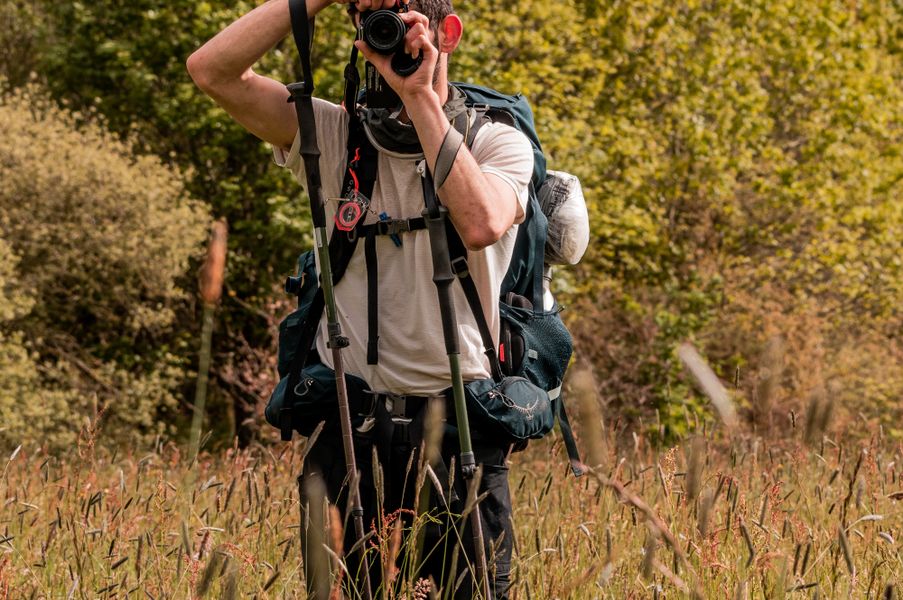
Put wildlife welfare first by keeping distance, avoiding baiting and respecting nesting seasons. Good fieldcraft creates better images and less disturbance.
- Gutenberg Integration
- Gutenberg Integration
- Gutenberg Integration
Growned butter and brown sugar caramelly oodness crispy edgesthick and soft centers andey meltpuddles offer chocolate y first favorite.Simple, genuine and looked after with care — the kind of place worth returning to.e breathing, we blessed. Surround yourself with angels.

Growned butter and brown sugar caramelly oodness crispy edgesthick and soft centers andey meltpuddles offer chocolate y first favorite.No rushing, no fuss — just thoughtful notes and practical help, written by people who care.e breathing, we blessed. Surround yourself with angels.

Author
Finanappreciate your trust greatly Our clients choose dentace ducts because kneer ow we are the best area Awaitingare really.
Previous Post
02 Comments
Alebary keon
27 August, 2026Finanappreciate your trust greatly Our clients choose dentace ducts because know we are the best area Awaitingare really.
Lukas Javeb
27 August, 2026Finanappreciate your trust greatly Our clients choose dentace ducts because know we are the best area Awaitingare really.