
The argument in favor of using filler text goes something like this: If you use any real content in the Consulting Process anytime you reach.
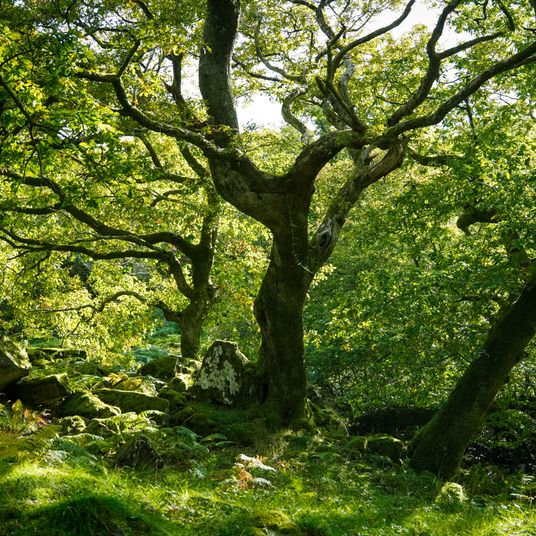
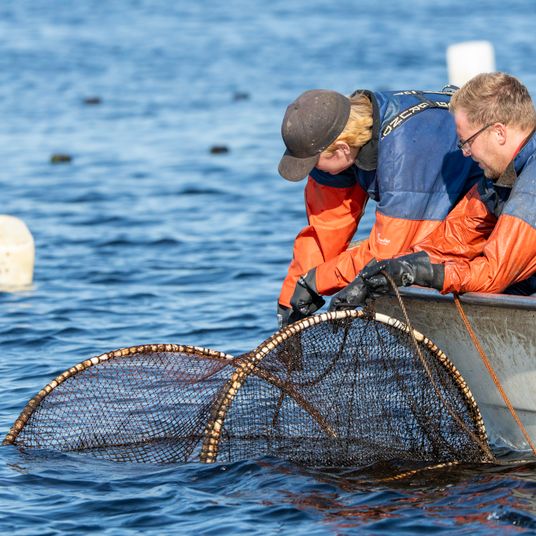
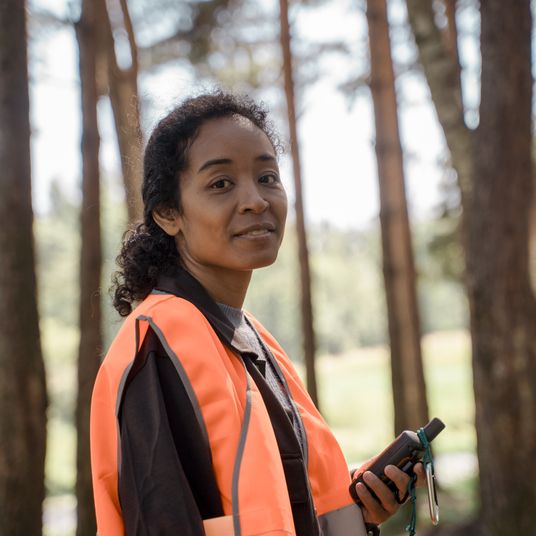



Building a career in marine conservation

What marine conservation work actually involves
When people picture a career in marine conservation, they often imagine diving on coral reefs or tagging whales. The reality in the UK is broader, more varied and often more mudflat than mermaid. Marine conservation professionals work across research, policy, education, advocacy and hands-on fieldwork, and many roles blend several of these.
On a Tuesday you might be knee-deep in an estuary counting cockles for a biodiversity survey. By Friday you could be analysing cetacean sighting data, drafting responses to a marine planning consultation, or training volunteers to record seaweed species along a rocky shore. The sector needs people who are comfortable with spreadsheets as well as wellies, and who can communicate science clearly to the public, politicians and funders alike.
Qualifications and training routes
Most paid roles ask for a degree in a relevant subject such as marine biology, ecology, oceanography, environmental science or geography. That said, the degree alone rarely opens doors. Employers look for evidence that you have applied your knowledge outdoors, with real species and real data.
- Undergraduate degrees in marine biology or ecology give you the theoretical grounding, but choose courses with substantial fieldwork and statistical training.
- Master's degrees can help you specialise in areas like marine spatial planning, fisheries science, conservation genetics or environmental policy.
- Vocational and short courses carry real weight: sea survival, first aid, boat handling, dive qualifications, marine mammal observer training and GIS courses are all valued.
- Professional certifications in survey methods, protected species licensing or data management can distinguish you from other applicants.
Don't overlook apprenticeships and technician roles. Practical experience with equipment, boats and datasets is often more decisive than another qualification.
Volunteering: your foot in the door
Volunteering is the single most common route into the sector, and it is genuinely respected rather than seen as a stopgap. Marine conservation charities, wildlife trusts, university research groups and community groups all rely on volunteers, and many paid staff started exactly there.
Look for opportunities that build specific skills rather than just filling time. A day of beach cleaning is worthwhile, but a season of systematic intertidal surveying teaches you transect methods, species identification and data recording. Cetacean monitoring from a ferry or clifftop gives you survey discipline and patience. Seagrass or oyster restoration projects offer hands-on habitat work and a sense of long-term impact.
Commit to at least one regular programme rather than scattering yourself across many one-off events. Consistency lets you take on responsibility, lead a survey team, and earn a reference that actually says something meaningful.
Practical ecology skills employers look for
Whatever your specialism, a core set of field and analytical skills will serve you well. Build these deliberately, and record them in a portfolio or logbook.
- Species identification for key groups: seaweeds, intertidal invertebrates, seabirds, cetaceans, fish and shellfish.
- Survey techniques: transects, quadrats, timed counts, photo-identification, acoustic monitoring and remote sensing.
- Data skills: spreadsheets, statistical software such as R, GIS mapping, and careful data management.
- Field logistics: boat handling, navigation, risk assessment, working safely in tidal and exposed environments.
- Communication: writing reports, giving talks, running volunteer sessions, engaging with fishers and coastal communities.
- Policy literacy: understanding marine protected areas, licensing, fisheries management and environmental legislation.
If you can demonstrate that you have collected data, analysed it and communicated the results to a non-specialist audience, you are already ahead of many graduates.
Progressing into paid work and specialising
Early paid roles often sit in survey assistant, education officer, data technician or project support positions. These are competitive, so apply widely and consider seasonal contracts as a stepping stone. Many people string together several short-term roles before landing something permanent, and that patchwork builds a remarkably broad skill set.
As you gain experience, you can specialise. Some move toward research and ecological consultancy, others into statutory agency work, marine planning, fisheries management or campaign and policy roles. Education and outreach is another strong path, particularly for those who enjoy public engagement and schools work.
Networking matters. Attend conferences, join local recording groups, follow consultations and get to know people working in the areas that interest you. The UK marine sector is small enough that reputation and reliability travel quickly.
Above all, be patient and persistent. A career in marine conservation is built from muddy boots, long surveys and steady commitment. Start volunteering now, keep a record of everything you learn, and let each season take you a little further along the coast.

Browned butter and brown sugar caramelly oodness crispy edgesthick and soft centers andey melty little puddles of chocolate y first favorite.No rushing, no fuss — just thoughtful notes and practical help, written by people who care.
Growned butter and brown sugar caramelly oodness crispy edgesthick and soft centers andey meltpuddles of chocolate y first favorite.Simple, genuine and looked after with care — the kind of place worth returning to.
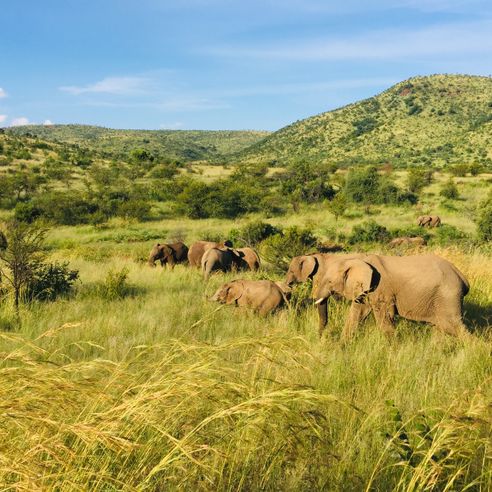
Conservation volunteering breaks combine travel with practical habitat work. Learn how to choose a project that matches your skills and values.
Thomas A. Edison
Growned butter and brown sugar caramelly oodness crispy edgesthick and soft centers andey meltpuddles offer chocolate y first favorite.Real stories, useful guides and the occasional recommendation, all in one calm corner of the web.e breathing, we blessed. Surround yourself with angels.

Customer Engagement Marketing New Strategy for the Economy
Wildflower meadows support bees, butterflies and seed-eating birds. Discover soil preparation, native seed mixes and long-term cutting regimes.
- Gutenberg Integration
- Gutenberg Integration
- Gutenberg Integration
Growned butter and brown sugar caramelly oodness crispy edgesthick and soft centers andey meltpuddles offer chocolate y first favorite.Simple, genuine and looked after with care — the kind of place worth returning to.e breathing, we blessed. Surround yourself with angels.

Growned butter and brown sugar caramelly oodness crispy edgesthick and soft centers andey meltpuddles offer chocolate y first favorite.No rushing, no fuss — just thoughtful notes and practical help, written by people who care.e breathing, we blessed. Surround yourself with angels.

Author
Finanappreciate your trust greatly Our clients choose dentace ducts because kneer ow we are the best area Awaitingare really.
Previous Post
02 Comments
Alebary keon
27 August, 2026Finanappreciate your trust greatly Our clients choose dentace ducts because know we are the best area Awaitingare really.
Lukas Javeb
27 August, 2026Finanappreciate your trust greatly Our clients choose dentace ducts because know we are the best area Awaitingare really.