
The argument in favor of using filler text goes something like this: If you use any real content in the Consulting Process anytime you reach.
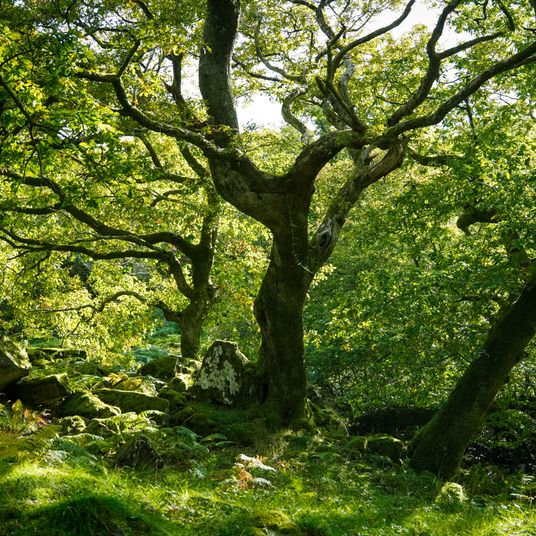




Restoring wildflower meadows for pollinators and birds
Why wildflower meadows are worth the effort
A well-managed wildflower meadow is one of the richest habitats you can create in Britain. In a single summer, a good meadow can hold dozens of plant species, and those plants in turn feed an enormous range of invertebrates. Common knapweed and ox-eye daisy draw in bees and hoverflies, birds-foot trefoil feeds common blue butterflies, and the seed heads that follow provide autumn and winter food for goldfinches, linnets and yellowhammers.
The catch is that meadows are not simply lawns left to grow. They are the product of centuries of traditional management: low soil fertility, late cutting and the removal of hay each year. Get that regime right and the flowers arrive almost by themselves. Get it wrong and you end up with a tall, dark stand of coarse grasses and very little else. The difference between the two is almost entirely about soil and timing.
Start with the soil, not the seed
Wildflowers are poor competitors. On fertile ground, vigorous grasses such as ryegrass and cocksfoot will smother them within a season. Before you sow anything, you need to bring nutrient levels down and expose some bare ground.
- Test the fertility first. A simple soil test for phosphorus and potassium tells you what you are dealing with. High-phosphate ground may need two or three years of cropping before sowing.
- Strip or exhaust the top growth. Removing turf with a spade or turf-cutter is quick and effective on small plots. On larger areas, repeated cutting and removing the cuttings over a full growing season gradually depletes the soil.
- Avoid adding anything. No compost, no manure, no fertiliser. It feels counterintuitive, but a hungry soil is exactly what you want.
- Create a fine, firm seedbed. Rake to a crumb texture, then tread or roll so the surface is firm enough that your boots barely sink in.
If you are converting a lawn, consider removing the top few centimetres of turf entirely rather than trying to sow into it. It is hard work, but it saves years of fighting grass.
Choosing native seed that actually belongs there
Provenance matters. Seed from a local source, ideally harvested within a few miles, is adapted to your soil and climate, and it supports the insects that evolved alongside it. Many county wildlife trusts run seed-gathering schemes, and several sell locally sourced mixes.
The classic approach is a 20:80 ratio of wildflowers to grasses by weight. The grasses are not filler; they provide structure, nest sites and cover for invertebrates. A simple lowland mix might include:
- Wildflowers: ox-eye daisy, common knapweed, birds-foot trefoil, yarrow, selfheal, red clover, meadow buttercup and cowslip.
- Grasses: crested dogstail, common bent, sweet vernal grass, red fescue and meadow foxtail.
- For damp ground: devil's-bit scabious, meadow vetchling, ragged robin and purple loosestrife.
Sow in autumn on light soils or early spring on heavy clay, broadcasting thinly and mixing the seed with dry sand or sawdust to help you see where it has gone. Do not bury it; wildflower seed needs light. A light rake and a firm roll is all that is required.
The first two years: patience and mowing
Expect a flush of annual weeds in year one. That is normal. The single most common mistake is to panic and spray or dig them out. Instead, cut the sward regularly through the first summer, keeping it short and removing the clippings. This weakens the weeds and lets your sown perennials establish roots.
By the second year you should see knapweed rosettes and daisy plants settling in. Continue cutting every six to eight weeks until late summer, then leave the meadow standing over winter so invertebrates can overwinter in the stems and seed heads. Resist the urge to tidy it in autumn.
Cutting regimes for the long term
From year three, switch to a traditional hay meadow regime. This is the heart of meadow management and it is simple to describe, though it takes discipline to follow.
- Cut once, late. Take the main cut between mid-July and early September, after the majority of flowers have set seed. On some sites a mid-July cut followed by a second cut in September suits early-flowering meadows.
- Remove all arisings. Every scrap. Leaving cut grass on the ground returns nutrients and steadily degrades the flower community. Barrow it off, compost it or use it as mulch elsewhere.
- Graze lightly if you can. Autumn grazing with sheep or cattle at low density breaks up thatch and creates the small gaps that seed needs. Avoid grazing between April and July.
- Vary the timing across a site. If you manage several areas, cut some early and some late. This staggered approach supports a wider range of insects and gives seed-eating birds a longer window of food.
- Leave a third uncut each year. Rotate which third it is. This provides refuge habitat and a reliable seed bank.
Skills worth building and where to start
Meadow restoration is one of the most accessible routes into practical conservation work. The skills you pick up here, scything, botanical identification, soil assessment, seed collection and record-keeping, transfer directly to paid roles with wildlife trusts, local authorities, national parks and ecological consultancies.
Start by volunteering with a local meadow group or wildlife trust work party. Learn to identify ten common wildflowers confidently, then twenty. Take a scything course; it is a genuinely employable skill on sensitive sites. Keep a simple monitoring record of what flowers and insects appear each year, because that evidence is exactly what funders and employers want to see.
A meadow is never finished. Each year the balance shifts slightly, and the management you apply shapes what arrives next. That slow, deliberate rhythm of cutting, clearing and watching is what makes this work so absorbing, and why a strip of ordinary grass can become the most alive corner of a site within a few seasons.

Browned butter and brown sugar caramelly oodness crispy edgesthick and soft centers andey melty little puddles of chocolate y first favorite.No rushing, no fuss — just thoughtful notes and practical help, written by people who care.
Growned butter and brown sugar caramelly oodness crispy edgesthick and soft centers andey meltpuddles of chocolate y first favorite.Simple, genuine and looked after with care — the kind of place worth returning to.
Invasive plants can crowd out native wildlife. Learn identification, safe removal methods and when to report sightings to local record centres.
Thomas A. Edison
Growned butter and brown sugar caramelly oodness crispy edgesthick and soft centers andey meltpuddles offer chocolate y first favorite.Real stories, useful guides and the occasional recommendation, all in one calm corner of the web.e breathing, we blessed. Surround yourself with angels.

Customer Engagement Marketing New Strategy for the Economy
Ecology consultancies value field skills, report writing and protected species knowledge. Compare course options and what to look for.
- Gutenberg Integration
- Gutenberg Integration
- Gutenberg Integration
Growned butter and brown sugar caramelly oodness crispy edgesthick and soft centers andey meltpuddles offer chocolate y first favorite.Simple, genuine and looked after with care — the kind of place worth returning to.e breathing, we blessed. Surround yourself with angels.

Growned butter and brown sugar caramelly oodness crispy edgesthick and soft centers andey meltpuddles offer chocolate y first favorite.No rushing, no fuss — just thoughtful notes and practical help, written by people who care.e breathing, we blessed. Surround yourself with angels.

Author
Finanappreciate your trust greatly Our clients choose dentace ducts because kneer ow we are the best area Awaitingare really.
Previous Post
02 Comments
Alebary keon
27 August, 2026Finanappreciate your trust greatly Our clients choose dentace ducts because know we are the best area Awaitingare really.
Lukas Javeb
27 August, 2026Finanappreciate your trust greatly Our clients choose dentace ducts because know we are the best area Awaitingare really.