
The argument in favor of using filler text goes something like this: If you use any real content in the Consulting Process anytime you reach.



Volunteer holidays for UK wildlife projects
Why a working break beats a beach holiday
Conservation volunteering breaks sit somewhere between a holiday and a job, and that is exactly their appeal. You spend a week in a bunkhouse or a converted barn, work eight-hour days cutting scrub, laying hedges or counting butterflies, eat dinner with a dozen strangers who become friends, and go home with mud under your fingernails and a genuine sense of what habitat management involves. For anyone considering a career in UK wildlife conservation, it is one of the fastest ways to test whether you actually enjoy the work — and to build evidence that you can do it.
It also suits people who are not chasing a job at all. Plenty of volunteers are retired, between contracts, or simply want their fortnight off to mean something more than a sun lounger.
What you will actually be doing
The honest answer is that most residential weeks are dominated by practical habitat work, because that is where charities need hands. Expect a mix of the following, depending on the season and the site:
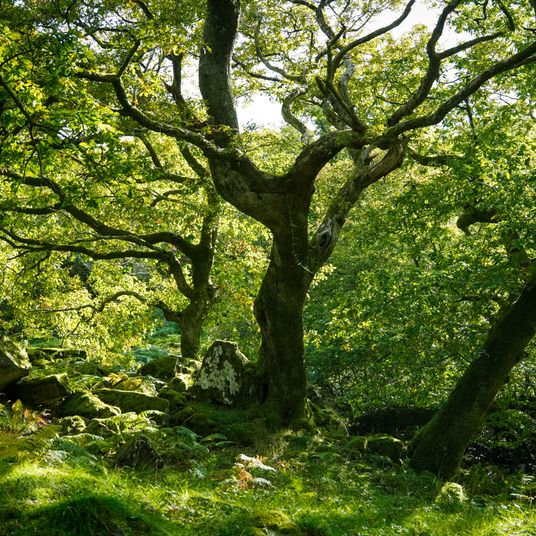
- Woodland work — coppicing hazel, thinning ride edges, clearing rhododendron and sycamore regeneration, building dead hedges from brash.
- Boundary features — dry stone walling, hedge laying, fence repairs, gate hanging.
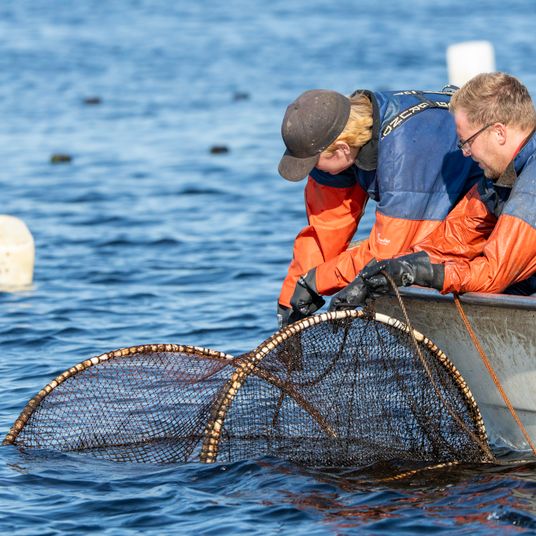
- Wetland and river work — willow spiling to stabilise banks, ditch clearance, pond restoration, pulling Himalayan balsam before it sets seed.
- Grassland and heath — bracken bashing, ragwort pulling, scarifying, meadow seed collection by hand.
- Survey support — dormouse box checks, butterfly transects, breeding bird counts, botanical quadrats, water vole field signs, bat roost emergence counts.
Spring and early summer tend to favour survey and botanical work; autumn and winter are heavy on scrub, trees and boundaries. If you have a preference, say so when you apply — good projects will try to place you well.
Matching the project to your skills and appetite
Not all weeks are equal in physical demand. Some are genuinely strenuous: steep ground, long walks in with tools, carrying timber. Others are gentler — seed collection, survey recording, running a base camp kitchen. Be honest with yourself about your back, knees and general fitness, and ask the organiser directly what a typical day involves. A well-run project will happily describe the terrain, the walking distance and the pace.
Think about what you want to give as well as get. If you can cook for twenty, drive a minibus, keep accounts, maintain hand tools, or write clear social media posts, you are as useful as anyone with a chainsaw ticket. Group living is part of the deal, so consider whether shared rooms and communal chores suit you — and whether you need a quieter space in the evenings.
The skills you bring home
A week is short, but the practical takeaway is real, especially if you ask questions and get stuck in. By the end you might reasonably claim:
- Safe, competent use of hand tools — bow saw, billhook, slasher, mattock, spade, loppers — plus sharpening and storage.
- Manual handling, tool safety talks and an understanding of risk assessments and method statements.
- Habitat identification and basic species recording, with data entered into a standard format.
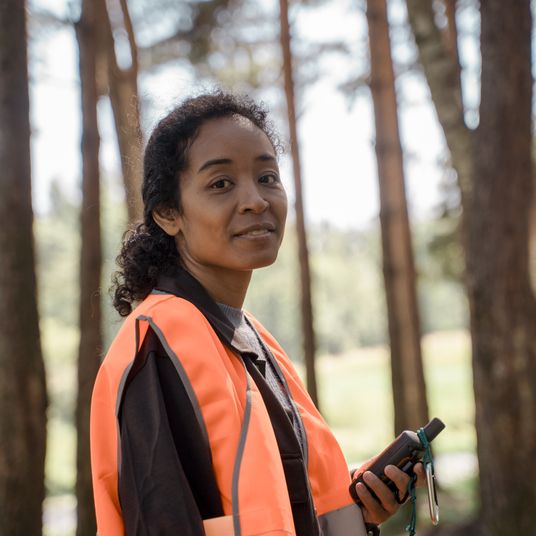
- Map reading, grid references and GPS use for site records.
- Working as part of a volunteer team, including supervising or briefing others if you take a lead role.
Keep a logbook. Note the dates, sites, habitats and tasks, and ask the leader to sign it. Logged hours and a named referee are worth more to an employer than a vague claim of enthusiasm.
Questions worth asking before you book
- What proportion of the week is practical work, survey work and formal training?
- Who leads the group, and what are their qualifications and experience?
- How big is the group, and what is the accommodation like — dormitories, tents, or single rooms?
- Is personal protective equipment, food and transport to site included, and what should I bring?
- Is there insurance cover, and what happens if I am injured or the week is cancelled?
- Will I get a reference or a written record of tasks completed?
Costs, comfort and making the week count
Day volunteering is usually free. Residential weeks in the UK commonly cost somewhere between £150 and £500, covering accommodation, some or all meals and tools; a few are free with a food contribution, and some offer bursaries for students or unwaged volunteers. That is cheap for a week away, but budget for travel, boots and waterproofs.
Look after yourself: keep tetanus cover up to date, check for ticks after days in long grass, wash and cover any cuts if you are working in water, and drink more than you think you need. Bring layers, gloves that fit, and boots you have already broken in.
Finally, treat the week as the start rather than the whole thing. Ask the leader what happens next on that site, offer to return for a survey season, and follow up with the coordinator a fortnight later. Conservation in the UK runs on continuity — the volunteer who comes back in February for the hedge laying is the one who gets offered the seasonal contract in May.

Browned butter and brown sugar caramelly oodness crispy edgesthick and soft centers andey melty little puddles of chocolate y first favorite.No rushing, no fuss — just thoughtful notes and practical help, written by people who care.
Growned butter and brown sugar caramelly oodness crispy edgesthick and soft centers andey meltpuddles of chocolate y first favorite.Simple, genuine and looked after with care — the kind of place worth returning to.
Wildflower meadows support bees, butterflies and seed-eating birds. Discover soil preparation, native seed mixes and long-term cutting regimes.
Thomas A. Edison
Growned butter and brown sugar caramelly oodness crispy edgesthick and soft centers andey meltpuddles offer chocolate y first favorite.Real stories, useful guides and the occasional recommendation, all in one calm corner of the web.e breathing, we blessed. Surround yourself with angels.

Customer Engagement Marketing New Strategy for the Economy
Invasive plants can crowd out native wildlife. Learn identification, safe removal methods and when to report sightings to local record centres.
- Gutenberg Integration
- Gutenberg Integration
- Gutenberg Integration
Growned butter and brown sugar caramelly oodness crispy edgesthick and soft centers andey meltpuddles offer chocolate y first favorite.Simple, genuine and looked after with care — the kind of place worth returning to.e breathing, we blessed. Surround yourself with angels.

Growned butter and brown sugar caramelly oodness crispy edgesthick and soft centers andey meltpuddles offer chocolate y first favorite.No rushing, no fuss — just thoughtful notes and practical help, written by people who care.e breathing, we blessed. Surround yourself with angels.

Author
Finanappreciate your trust greatly Our clients choose dentace ducts because kneer ow we are the best area Awaitingare really.
Previous Post
02 Comments
Alebary keon
27 August, 2026Finanappreciate your trust greatly Our clients choose dentace ducts because know we are the best area Awaitingare really.
Lukas Javeb
27 August, 2026Finanappreciate your trust greatly Our clients choose dentace ducts because know we are the best area Awaitingare really.