
The argument in favor of using filler text goes something like this: If you use any real content in the Consulting Process anytime you reach.





Caring for hedgehogs in rescue centres

Why hedgehogs end up in rescue
Few British mammals turn up in care as often as the hedgehog. The calls come thick and fast from late spring, when strimmer injuries and orphaned hoglets fill the diary, through to November, when underweight juveniles are found wandering in daylight. By then they should be tucked up hibernating, not hunting for food in frost. Garden hazards account for a great many admissions: netting around fruit cages, open drains and window wells, bonfire piles built weeks earlier, dog attacks, and of course roads.
Because hedgehogs are nocturnal and shy, an adult seen in the open during the day is almost always in trouble. A hoglet out alone in daylight is usually orphaned or starving. Learning to recognise these moments — and to act quickly but calmly — is the single most useful skill a new volunteer can develop.
Warmth comes before food
The most common mistake made by well-meaning members of the public is offering bread and milk to a cold, shocked animal. A hypothermic hedgehog cannot digest food, and feeding it too early can cause aspiration or gastric upset that makes matters worse. Warmth is the first intervention, always.
Use a sturdy box lined with newspaper and an old towel or fleece. Never use sawdust, straw or hay for an injured animal — these stick to wounds and irritate eyes. Place a heat source, such as a covered heat pad or a plastic bottle filled with hot water wrapped in a towel, under roughly half the floor of the box so the hedgehog can move away if it becomes too warm. Aim for a gradual rise to around 20–24°C, taking a couple of hours. Rapid warming is dangerous.
- Handle with gloves, and keep handling to the absolute minimum
- Keep the box quiet, dark and away from pets and children
- Check for fly eggs or maggots at once — these need urgent veterinary attention
- Offer water in a shallow dish, no deeper than a centimetre or two
Feeding a hedgehog safely
Once an animal is properly warm and responsive, food can be offered. Hedgehogs are insectivores, and the diet must reflect that.
- Good staples: meat-based cat or dog food (pâté or tinned, not gravy-rich varieties), specialist hedgehog biscuits, and cooked minced meat
- Occasional extras: small amounts of scrambled egg, chopped cooked chicken, a few mealworms as a treat
- Never: milk or cream (they are lactose intolerant), bread, fruit, nuts, seeds, chocolate, or dried fruit
- Caution with mealworms: a diet heavy in them causes metabolic bone disease, a painful and often irreversible condition
Weigh each animal daily on kitchen scales and record the figure. Weight is the best single indicator of whether a hedgehog is thriving, and it determines whether an autumn juvenile can be released before winter or must be overwintered indoors. Hoglets under about 500g by late October generally cannot survive hibernation and need a supervised winter.
Parasites and common complaints
Almost every wild hedgehog carries fleas, and the hedgehog flea is largely host-specific, so there is no need to panic. Heavy burdens, though, cause anaemia in small or weakened animals. Ticks, lungworm, ringworm and sarcoptic mange are also frequent findings, and each requires a different approach.
The essential rule for anyone caring for hedgehogs is this: never apply a dog or cat flea treatment. Products containing fipronil, permethrin or imidacloprid are toxic to hedgehogs and can kill them. Nor should essential oils, tea tree preparations or home remedies be used. Only a veterinary surgeon should prescribe and dose antiparasitic treatment, and even then the dose is calculated by weight. In the meantime, good hygiene does a great deal: change bedding daily, disinfect surfaces with a hedgehog-safe product, wash hands thoroughly, and keep animals in separate boxes to prevent cross-infection.
Dehydration is easy to miss. Gently pinch the skin at the back of the neck — if it stays tented rather than springing back, the animal needs fluids, which means a vet, not a syringe of water at home.
When to pass a hedgehog on
Knowing your limits is a mark of a good carer, not a failure. Hand the animal over to an experienced rehabilitator or vet if any of the following apply:
- Open wounds, burns, flystrike or visible maggots
- Fits, head tilt, circling, or an unsteady, wobbling gait
- A limb that is broken, dragging or swollen
- An animal that will not unroll, even when warm
- Discharge from the nose or eyes, or laboured breathing
- Hoglets weighing under 200g, which need specialist milk replacer and round-the-clock feeding
- Any autumn juvenile that is failing to gain weight
Ring a local wildlife rescue or a species charity helpline for advice before you travel, and never release a hedgehog that has been in care for more than a few days without a proper soft-release plan. Release sites need cover, water, no badger activity nearby if possible, and a period of supplementary feeding.
Skills you will build
Volunteering in a hedgehog rescue teaches transferable practical ecology: accurate record keeping, safe handling, hygiene protocols, feeding calculations by body weight, recognition of disease and injury, and the judgement to know when an animal needs more than you can give. Those skills carry directly into wider conservation work, from mammal surveys to wildlife hospital placements. Start by shadowing an experienced carer, keep a notebook of every animal you handle, and ask questions. The hedgehogs will teach you the rest.

Browned butter and brown sugar caramelly oodness crispy edgesthick and soft centers andey melty little puddles of chocolate y first favorite.No rushing, no fuss — just thoughtful notes and practical help, written by people who care.
Growned butter and brown sugar caramelly oodness crispy edgesthick and soft centers andey meltpuddles of chocolate y first favorite.Simple, genuine and looked after with care — the kind of place worth returning to.
Rehabilitation demands specialist facilities and veterinary support. Find out how birds of prey are treated, exercised and prepared for release.
Thomas A. Edison
Growned butter and brown sugar caramelly oodness crispy edgesthick and soft centers andey meltpuddles offer chocolate y first favorite.Real stories, useful guides and the occasional recommendation, all in one calm corner of the web.e breathing, we blessed. Surround yourself with angels.

Customer Engagement Marketing New Strategy for the Economy
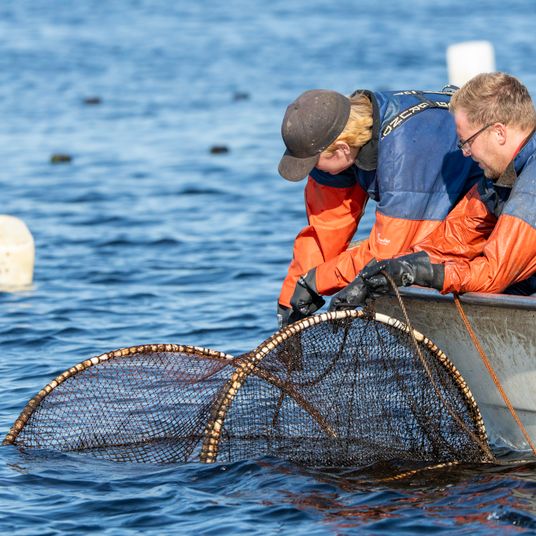
Marine conservation offers roles in research, policy, education and fieldwork. Explore qualifications, volunteering and practical experience needed to progress.
- Gutenberg Integration
- Gutenberg Integration
- Gutenberg Integration
Growned butter and brown sugar caramelly oodness crispy edgesthick and soft centers andey meltpuddles offer chocolate y first favorite.Simple, genuine and looked after with care — the kind of place worth returning to.e breathing, we blessed. Surround yourself with angels.

Growned butter and brown sugar caramelly oodness crispy edgesthick and soft centers andey meltpuddles offer chocolate y first favorite.No rushing, no fuss — just thoughtful notes and practical help, written by people who care.e breathing, we blessed. Surround yourself with angels.

Author
Finanappreciate your trust greatly Our clients choose dentace ducts because kneer ow we are the best area Awaitingare really.

Previous Post

Next Post

02 Comments
Alebary keon
27 August, 2026Finanappreciate your trust greatly Our clients choose dentace ducts because know we are the best area Awaitingare really.
Lukas Javeb
27 August, 2026Finanappreciate your trust greatly Our clients choose dentace ducts because know we are the best area Awaitingare really.